
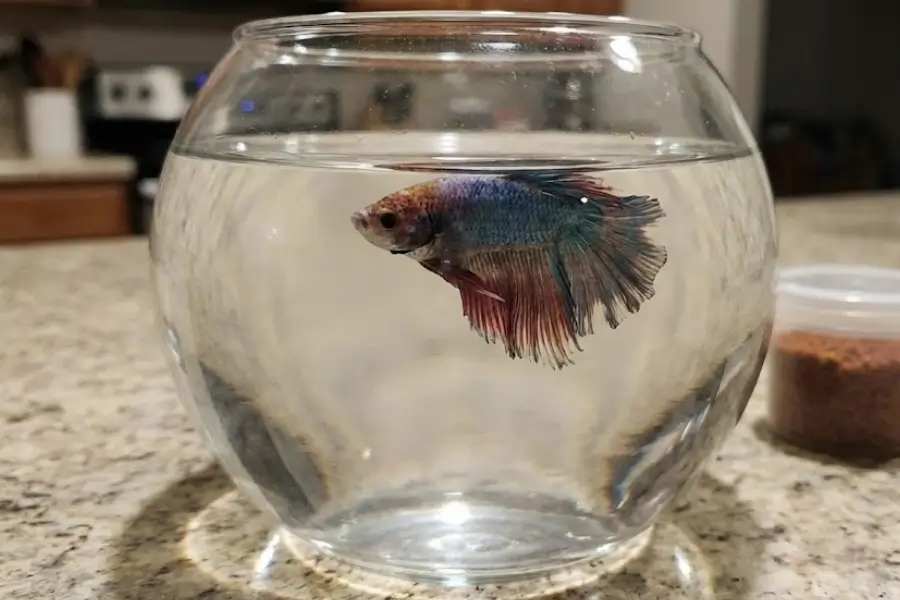
Walk into any pet store, and you’re likely to see a familiar, disheartening sight: rows of tiny plastic cups, each containing a vibrant, solitary betta fish. This image has perpetuated one of the most damaging myths in the aquarium hobby: that betta fish are perfectly happy and healthy in small bowls or vases. This couldn’t be further from the truth. The idea that a betta can thrive in a gallon of water is not only false but is also a form of unintentional animal neglect.
Betta fish, also known as Siamese fighting fish, are complex, intelligent creatures with specific needs that a bowl simply cannot meet. Let’s debunk the common myths and explore why a proper aquarium is essential for the health and well-being of these beautiful fish.
Myth 1: They Live in Puddles in the Wild
One of the most common justifications for keeping bettas in bowls is the idea that they come from small, stagnant puddles in the wild. This is a gross oversimplification of their natural habitat.
Bettas are native to the rice paddies, floodplains, and canals of Southeast Asia, particularly in Thailand. While these bodies of water can become shallow during the dry season, they are part of a vast, interconnected ecosystem. During the rainy season, these “puddles” can span hundreds of acres, providing bettas with enormous territories to explore and hunt in. A tiny glass bowl is a poor imitation of this dynamic and expansive world.
Myth 2: They Prefer Small Spaces
Another prevalent myth is that bettas, especially those with long, heavy fins, prefer small spaces because it’s easier for them to swim. While it’s true that some bettas may struggle in strong currents, this doesn’t mean they don’t need space.
Bettas are active fish that require room to swim, explore, and exercise. A small bowl offers no mental stimulation or physical challenge, leading to boredom and lethargy. A lack of space can also lead to muscle atrophy and a weakened immune system. In a proper tank, you will see your betta patrol its territory and interact with its environment in a way that is impossible in a bowl.
Myth 3: They Don’t Need a Filter or Heater
Perhaps the most dangerous myth of all is that bettas are “low-maintenance” pets that don’t require a filter or heater. This misconception stems from their unique labyrinth organ, which allows them to breathe atmospheric air. While this helps them survive in low-oxygen environments for short periods, it is not a substitute for clean, oxygenated water.
– Filtration: Like all fish, bettas produce waste. In a small bowl, toxic ammonia and nitrite levels build up rapidly. Without a filter to establish the nitrogen cycle, these toxins will poison your fish.
– Heating: Bettas are tropical fish. Their ideal temperature range is between 78°F and 80°F. A betta kept in water below this range will have a slowed metabolism and a weakened immune system, making them susceptible to diseases like fin rot. A heater is non-negotiable for a healthy betta.
The Consequences of a Bowl
Keeping a betta in a bowl is not just a matter of opinion, it has real, measurable negative effects on the fish’s health.
– Shortened Lifespan: A well-cared-for betta can live for 3-5 years. Bettas in bowls rarely live past a year or two.
– Disease: The stress of a small, cold, and dirty environment makes them prone to a host of diseases.
– Poor Quality of Life: A betta in a bowl merely survives. It cannot express its natural behaviors, leading to a life of boredom and confinement.
The Ideal Betta Setup
Providing a proper home for your betta is not difficult or expensive. Here is what they need to thrive:
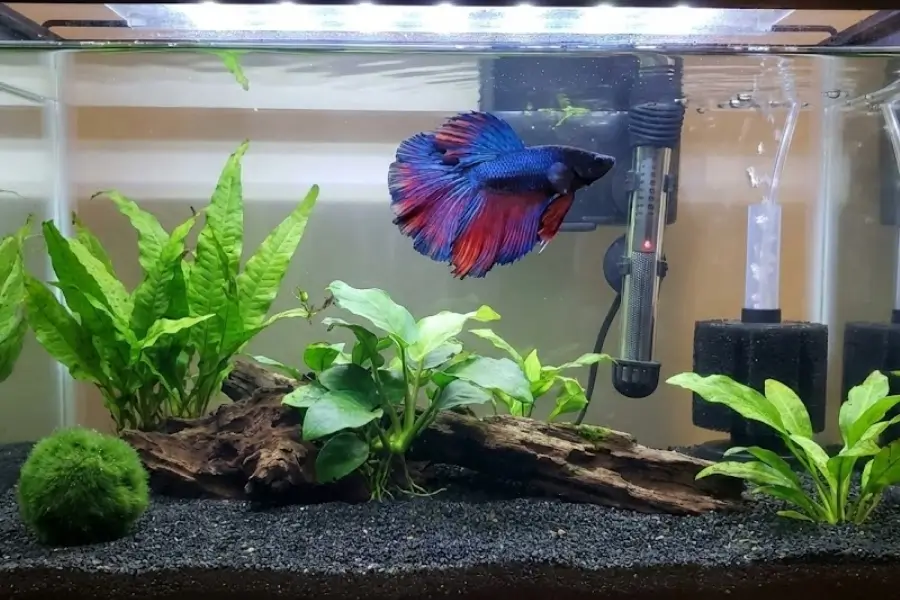
– Tank Size: A minimum of 5 gallons is recommended for swimming space and stability.
– Filtration: A gentle, low-flow filter, like a sponge filter, is perfect for bettas.
– Heating: An adjustable heater to keep the water at a consistent 78-80°F.
– Decorations: Live or silk plants are excellent for hiding and resting. A cave or two is also appreciated.
– Water Quality: Regular partial water changes (about 25% weekly) are essential.
Conclusion
Bettas are resilient creatures, which is why they can survive in substandard conditions for a time. But surviving is not thriving. As responsible pet owners, it is our duty to provide the best possible care for the animals we bring into our homes. By moving beyond the bowl and providing a proper aquarium, you will be rewarded with a healthy, vibrant, and interactive companion.












0 Comments